 Image 1 of 1
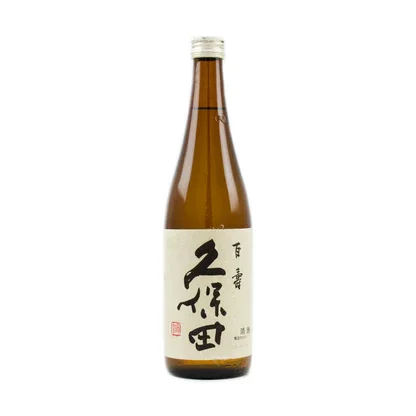
Kubota Hyakuju is the foundational bottle of the world-famous Kubota line from Asahi Shuzo (not to be confused with the brewery that makes Dassai). Kubota Hyakuju is a Tokubetsu Honjozo—a style defined by a small addition of brewer's alcohol to create a lighter, crisper, and more "drinkable" profile.
Aroma: The nose is understated and "quiet," leaning away from fruity esters toward savory and earthy tones. You’ll find soft notes of steamed rice, honey, and a subtle cereal grain sweetness.
Palate: This is a classic example of the Niigata tanrei-karakuchi (light and dry) style. It is very clean and "water-like" in its smooth texture. On the palate, it reveals savory flavors: hints of toasted sesame, roasted nuts, and a touch of popcorn or dried herbs. It focuses on a lean, elegant structure rather than heavy sweetness.
Finish: The finish is incredibly sharp and fast. It leaves the palate almost immediately with a crisp, dry "snap," which makes it an excellent "session" sake—it prepares your tongue for the next bite of food without lingering.
Brewery: Asahi Shuzo (Founded 1830)
Region: Nagaoka City, Niigata Prefecture, Japan
Sake Grade: Tokubetsu Honjozo (Special Honjozo)
Rice Type:Gohyakumangoku (Niigata’s signature rice, known for producing light, clean sake).
Rice Polishing Ratio (Seimaibuai): 60%
Sake Meter Value (SMV): +5 (Solidly dry).
Acidity: 1.0 (Low acidity, contributing to its smooth, "round" mouthfeel).
Temperature: * Chilled (10–15°C): Highlights the crispness and sharp finish.
Warm (40–45°C): The savory grain notes and "umami" expand, making it feel much more comforting and mellow.
Glassware: Use a traditional O-choko (small ceramic cup) for a classic experience, or a Guinomi (larger cup) if drinking it with a hearty meal.
Pairing: Because it is dry and modest, it excels with Miso soup, Grilled fish (Shioyaki), Pickled vegetables, and even fatty foods like Tempura or Yakitori, as the dry finish cuts through the oil.
Kubota Hyakuju is the foundational bottle of the world-famous Kubota line from Asahi Shuzo (not to be confused with the brewery that makes Dassai). Kubota Hyakuju is a Tokubetsu Honjozo—a style defined by a small addition of brewer's alcohol to create a lighter, crisper, and more "drinkable" profile.
Aroma: The nose is understated and "quiet," leaning away from fruity esters toward savory and earthy tones. You’ll find soft notes of steamed rice, honey, and a subtle cereal grain sweetness.
Palate: This is a classic example of the Niigata tanrei-karakuchi (light and dry) style. It is very clean and "water-like" in its smooth texture. On the palate, it reveals savory flavors: hints of toasted sesame, roasted nuts, and a touch of popcorn or dried herbs. It focuses on a lean, elegant structure rather than heavy sweetness.
Finish: The finish is incredibly sharp and fast. It leaves the palate almost immediately with a crisp, dry "snap," which makes it an excellent "session" sake—it prepares your tongue for the next bite of food without lingering.
Brewery: Asahi Shuzo (Founded 1830)
Region: Nagaoka City, Niigata Prefecture, Japan
Sake Grade: Tokubetsu Honjozo (Special Honjozo)
Rice Type:Gohyakumangoku (Niigata’s signature rice, known for producing light, clean sake).
Rice Polishing Ratio (Seimaibuai): 60%
Sake Meter Value (SMV): +5 (Solidly dry).
Acidity: 1.0 (Low acidity, contributing to its smooth, "round" mouthfeel).
Temperature: * Chilled (10–15°C): Highlights the crispness and sharp finish.
Warm (40–45°C): The savory grain notes and "umami" expand, making it feel much more comforting and mellow.
Glassware: Use a traditional O-choko (small ceramic cup) for a classic experience, or a Guinomi (larger cup) if drinking it with a hearty meal.
Pairing: Because it is dry and modest, it excels with Miso soup, Grilled fish (Shioyaki), Pickled vegetables, and even fatty foods like Tempura or Yakitori, as the dry finish cuts through the oil.